I wrote this article with two purposes in mind: (1) to understand 1 Samuel 25 and (2) to make a hermeneutical demonstration of the appropriate use of cultural backgrounds.
Reviews, Reflections, & Research on Exegesis, Theology, and Church Life
I wrote this article with two purposes in mind: (1) to understand 1 Samuel 25 and (2) to make a hermeneutical demonstration of the appropriate use of cultural backgrounds.
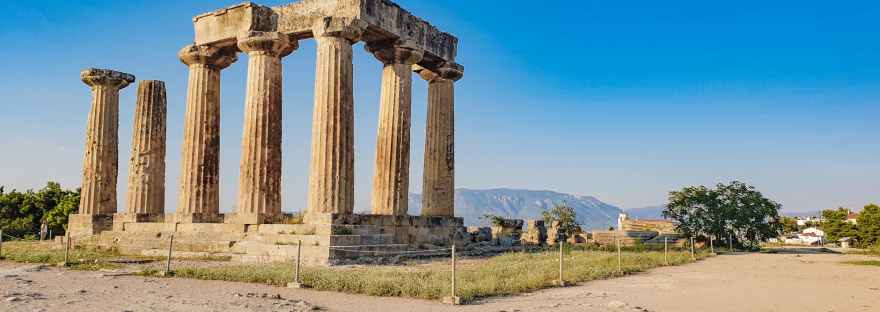
As I read the Book of Acts, four key components stand out: the agency of the Spirit, the proclamation of the kingdom, the means of the Word and prayer, and the movement of gospel advancement. Photo by Daciana Cristina Visan on Pexels.com 1. The Holy Spirit is the agent of gospel advancement. All through Acts,… Continue reading The Message of Acts

Bakit nga ba maaasahan ang Bible? Malinaw itong sinasagot ni Greg Gilbert. Hindi niya iniiwasan ang mga mahihirap na tanong kagaya ng: bakit maraming iba’t ibang translations? Bakit apat lang na Gospels ang kasama sa Bible? Ang mga sagot niya ay nagbibigay ng confidence na ang Bible ay talaga ngang Salita ng Diyos. Si Cristo talaga ay bumangon mula sa kamatayan. Kung may pagdududa ka, basahin mo ito. Kung ikaw naman ay isang Cristiano na, ang librong ito ay magpapalakas sa iyong kumpyansa sa Bible para lalo mo pang pag-aralan at sundin ang sinasabi nito para sa kaluwalhatian ng Diyos.

Below is a video of my presentation of "New Covenant Themes in the Cana Cycle" in the New and Living Way podcast. I'm thankful to RD Pineda for the gracious invite.

Why are there warning passages if God has promised that our salvation will not be lost? This post is three years late. In 2018, I contributed an article on the topic of the irrevocable nature of salvation and the warning passages, focusing on John's Gospel. The online link to the article can be found here.… Continue reading The Irrevocable Nature of Salvation and the Warning Passages

This year's Southeast Regional Evangelical Theological Society (ETS) was hosted by Charleston Sothern University. (Hopefully, BJU Seminary would host it next year). Dr. Scott Swain was the plenary speaker. He spoke on "God, Metaphysics, and the Discourse of Theology" and "God, the Bible, and Being." I'm thankful for the opportunity to share my paper at… Continue reading Church Unity Motif in the Fourth Gospel – Paper Presentation at Southeastern Regional ETS

I was invited to speak on the topic of hermeneutics for the 31st Metro Manila Fundamental Bible Conference. Due to covid19, the entire conference was livestreamed in social media on October 20-23 (Manila time). My talk below is in English-Tagalog. Unfortunately, there are no English-only subtitles for those who do not understand Tagalog. Maybe someday.… Continue reading Who Determines Meaning? Authorial Intent, Allegory, Literal Reading, and Biblical Theology

Part of my preparation for my comprehensive exam next month, I must master the basic contours of the second half of the Christian Bible—the New Testament. While I am just scratching the surface, I have found this study so rewarding that I want to share my method and some of its fruits.

Good stories have a moment of crisis when the anticipated hero appears on the scene to bring victory and resolution. In C.S. Lewis’ The Chronicles of Narnia, Narnia has been experiencing a hundred years of winter with the reign of the White Witch. Through the prophecies that have been orally passed down, the Narnians are… Continue reading Jesus the Messiah and Hanukkah: The Historical Background of John 10:22-42

This post is also available at Exegetical Tools. When reading through 2 Peter and Jude, striking similarities between these two letters may alert even the casual reader. An obvious resemblance becomes evident when one compares Jude 4-18, 24-25 with 2 Peter 2:1—3:3, 14, 18. The following chart shows some examples of the similarities found in… Continue reading Five Views on the Literary Relationship between 2 Peter and Jude
 LeeJaredGarcia.Com